Add a Curriculum Bundle to Your Account!
Please select a bundle.




The Pack contains associated resources for the learning experience, typically in the form of articles and videos. There is a teacher Pack (with only teacher information) and a student Pack (which contains only student information). As a teacher, you can toggle between both to see everything.
Here are the teacher pack items for African Americans in the Civil War:

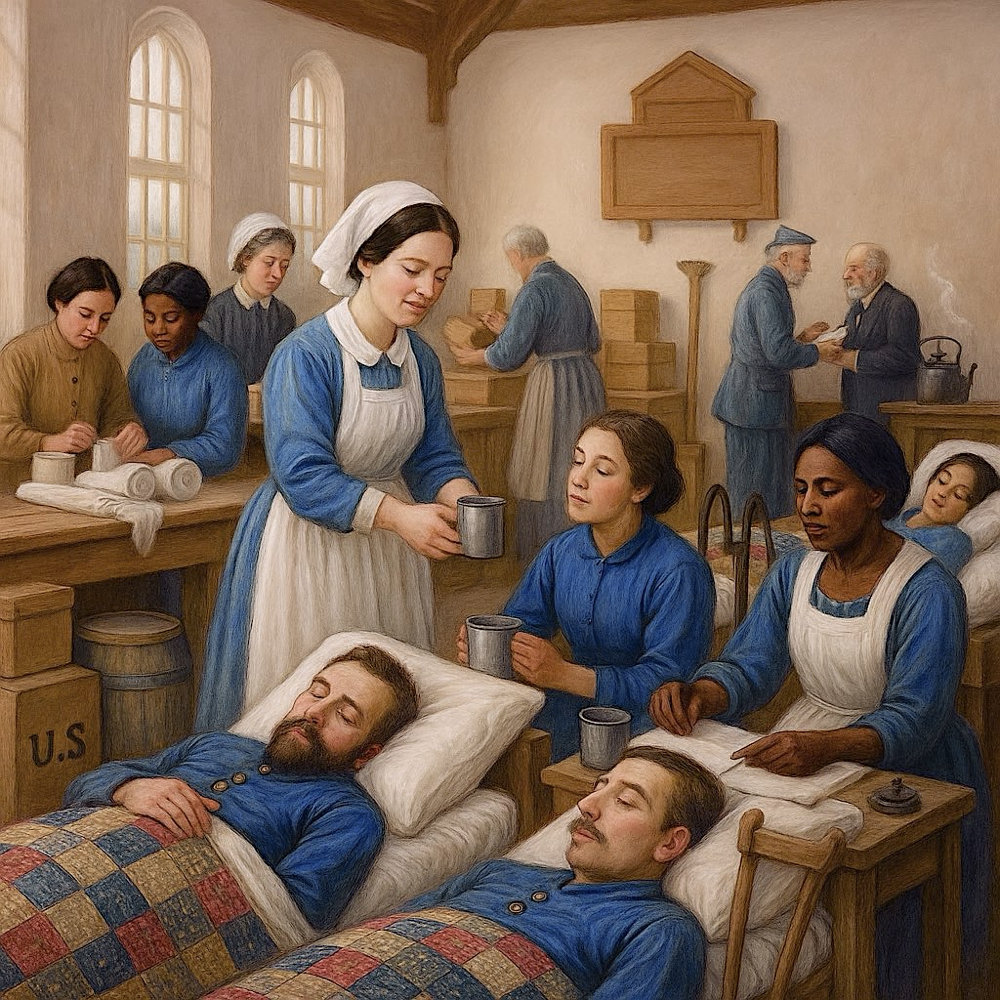
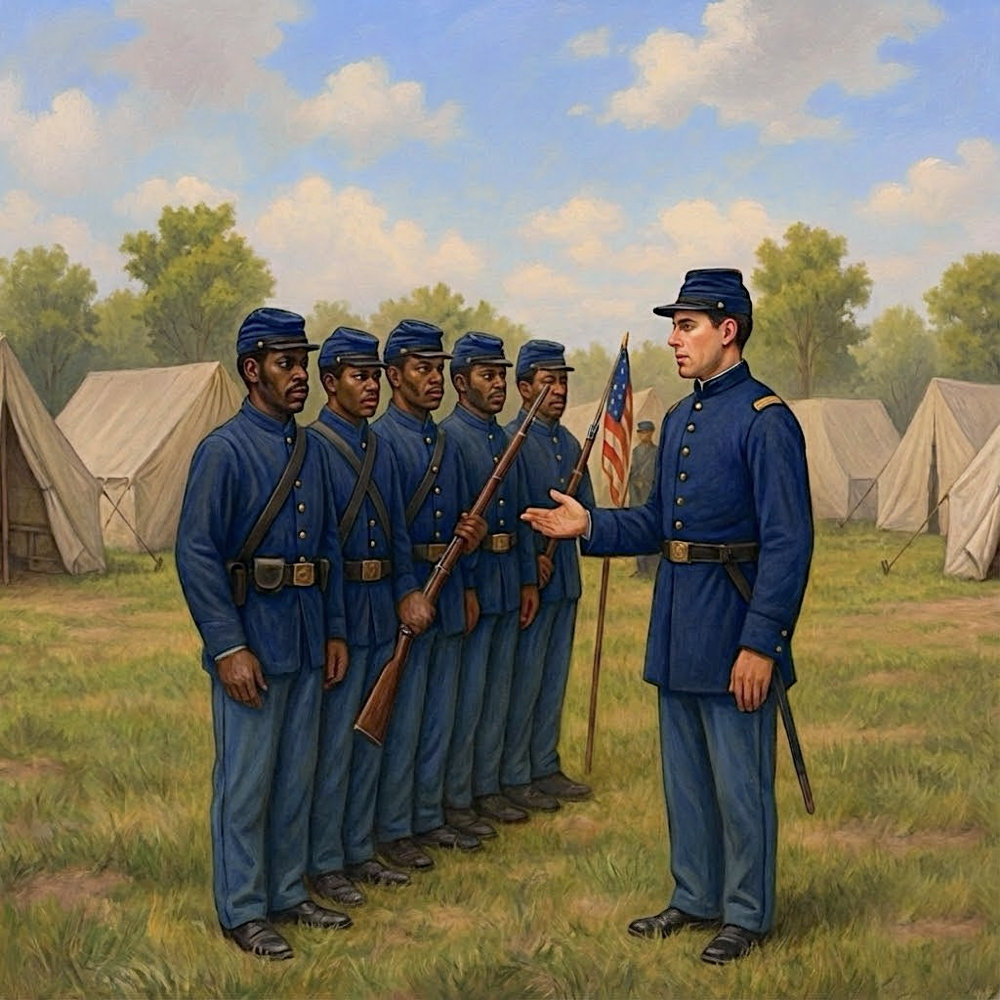
Overview In this experience, students examine how African Americans navigated the Civil War by analyzing the impacts of war and the ways people acted for themselves under unequal and dangerous conditions. First, students consider how people without formal power can still make choices during conflict, using a word wall to surface ideas about action, survival, and resistance. Next, students learn how the war affected enslaved people and free Black communities differently by examining restrictions, violence, displacement, and forced labor alongside the choices people made to protect families, resist control, and seek freedom. Then, students analyze Black military service by exploring why African Americans chose to fight for the Union, how they were treated within the army, and how their service contributed to Union success despite discrimination. Finally, the Elaborate scene invites students to explore Susie King Taylor's life and firsthand account to understand how Black women’s labor, care, and service supported the Union war effort and expanded ideas about what service meant during the Civil War. Estimated Duration: 45–60 minutes Vocabulary: Objectives:
Before beginning, review the term contraband as it is defined in this experience. Students first encountered this word in the “Lead-up to the War of 1812” experience when studying the Early Republic; however, it was defined as goods that are illegal to trade or that are seized during war because they could help an enemy. In this experience, contraband refers specifically to enslaved people who escaped to Union lines and were treated as seized enemy property. Consider having students discuss the similarities between the two definitions and why the same word might have been used in both contexts. Ensuring students understand the difference will help them recognize how the same word can take on a new and historically significant meaning depending on context.
Students will work in small groups for the final two activities in the Explain scene. Consider previewing these activities to inform grouping.
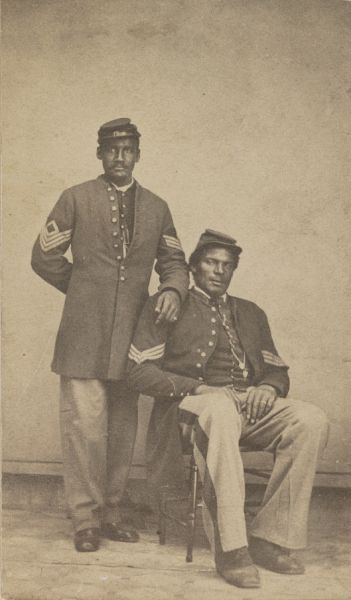
Two unidentified Black soldiers in Union sergeants' uniforms
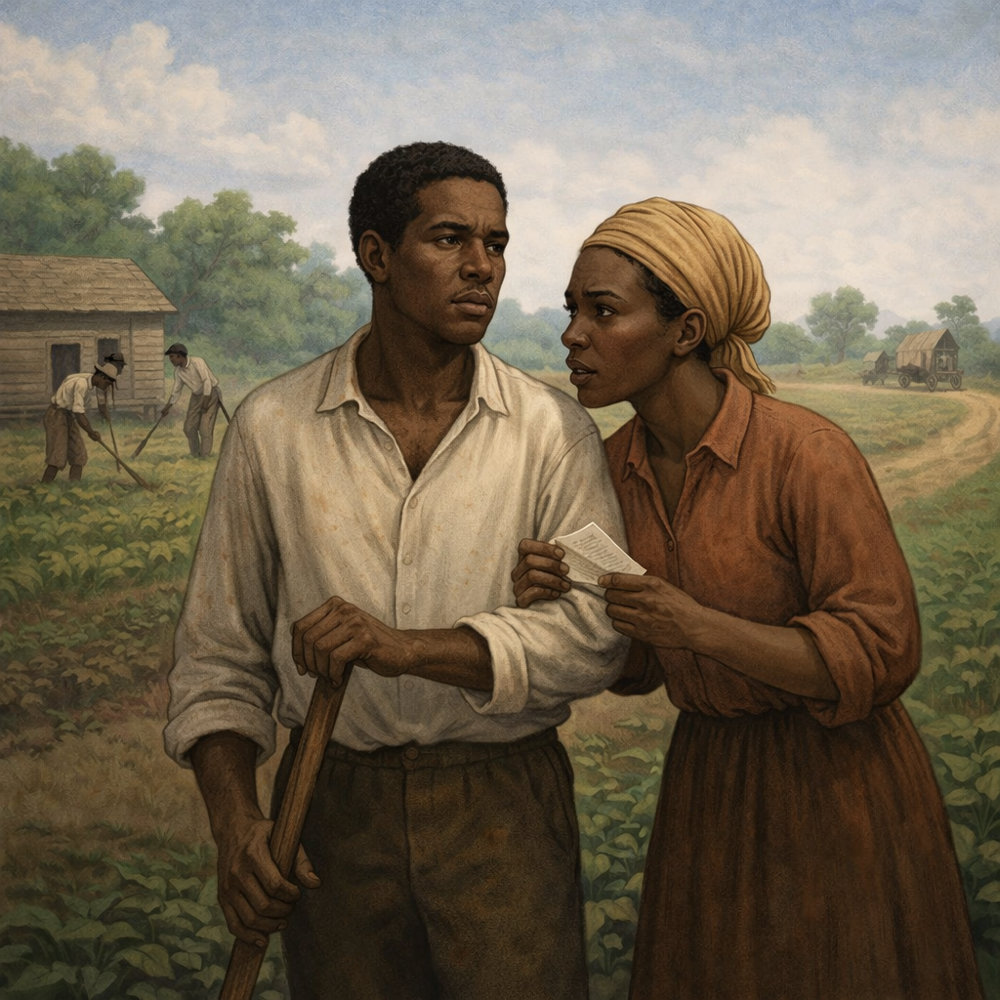
Power and authority shape how conflicts unfold, but they do not determine every action people take. Even when formal power is limited, individuals and groups have found ways to respond, influence events, and act on their own behalf.
When people lack power during a conflict, what are some ways they might still act for themselves?
After students complete the word wall, help them notice patterns in the words that were added. Guide a discussion about how people without formal power might still act for themselves during a conflict by asking: What kinds of actions show up most often on our word wall? and Which words suggest taking risks, and which suggest surviving or adapting? Use student responses to surface the idea that agency can look different depending on circumstances and does not always involve open resistance.
In this experience, you will learn how African Americans, both enslaved and free, acted with purpose during the Civil War by shaping their own paths toward freedom, contributing to the Union war effort, and pressing for rights in a time of conflict.
Objectives: