Add a Curriculum Bundle to Your Account!
Please select a bundle.




The Pack contains associated resources for the learning experience, typically in the form of articles and videos. There is a teacher Pack (with only teacher information) and a student Pack (which contains only student information). As a teacher, you can toggle between both to see everything.
Here are the teacher pack items for The Early War (OLD VERSION 8/26):

Overview In this experience, students investigate how the Patriots and British responded during the early battles of the American Revolution by evaluating their strengths and weaknesses. First, they examine images from the Battle of Bunker Hill and generate questions about what they see. Next, students identify the challenges, successes, and lessons learned by both sides during the Battle of Bunker Hill. Then, students analyze the strengths and weaknesses of the Patriot and British armies and evaluate how the physical environment shaped their advantages and disadvantages during the early battles. Finally, the Elaborate scene invites students to investigate the winter at Valley Forge to understand the dire situation of the Continental Army and to show how environmental conditions affected their ability to fight. Estimated Duration: 45–60 minutes Vocabulary: Objectives:
In this experience, students work in small groups to complete the Explain scene. Consider previewing the activity to inform grouping.
It is highly encouraged to complete Scene 4, as it connects directly to the civilian and human impacts of the war by examining how large numbers of casualties affected people on both sides. This scene gives students a concrete example of wartime loss that they will draw on in the experience, The End of the War, when they analyze a PBS video exploring the broader human impact of the Civil War across the United States.
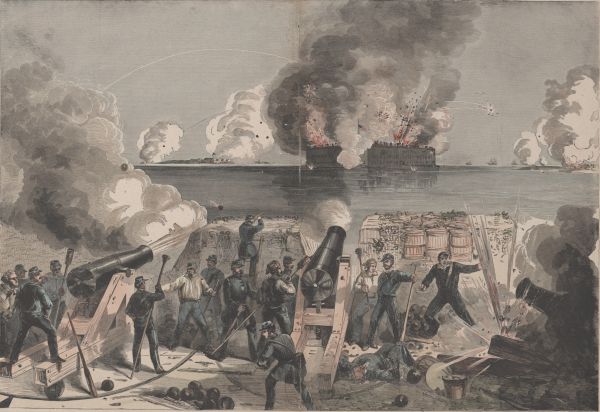
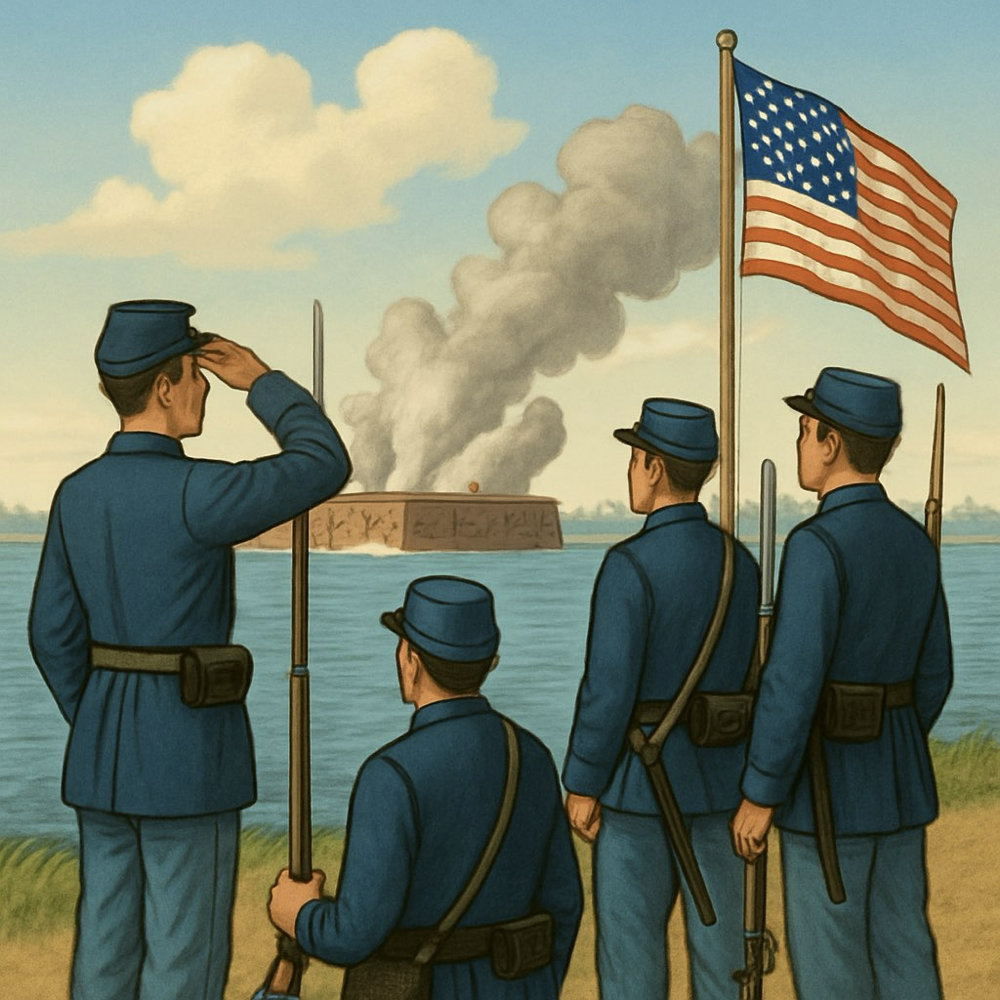
The Battle of Fort Sumter
As you have learned, the Civil War began after long-standing tensions between the North and the South erupted into open conflict. Think about the events surrounding the Battle of Fort Sumter, and then share your ideas in the discussion wall.
What made the Battle of Fort Sumter significant?
When discussing student responses, highlight answers that move beyond simply naming Fort Sumter as the first battle and instead point to what it revealed about the conflict. Press students to think about why this moment was significant, not just that it happened. If students say it “started the war,” follow up with questions like What changed after Fort Sumter? and What did this event make clear about how disagreements would be handled moving forward? Use these responses to surface ideas about escalation, commitment, and the shift from political conflict to armed war.
In this experience, you will learn how early choices made by Union and Confederate leaders, along with the outcomes of the first battles, shaped expectations about the length, intensity, and direction of the Civil War.
Objectives: