Labor in the Colonies


Labor in the Colonies
Students explore how labor systems in the colonies changed over time and examine how laws, race, and economics shaped the shift from indentured servitude to slavery.

This learning experience is designed for device-enabled classrooms. The teacher guides the lesson, and students use embedded resources, social media skills, and critical thinking skills to actively participate. To get access to a free version of the complete lesson, sign up for an exploros account.

1:1 Devices
Teacher Pack

The Pack contains associated resources for the learning experience, typically in the form of articles and videos. There is a teacher Pack (with only teacher information) and a student Pack (which contains only student information). As a teacher, you can toggle between both to see everything.

Here are the teacher pack items for Labor in the Colonies:

Preview - Scene 1
Exploros Learnign Experience Scene Navigation


Engage


Overview

In this experience, students examine how labor systems in the colonies evolved from indentured servitude to race-based slavery. First, they learn about the economic and legal forces behind this shift, including the John Punch case. Next, they analyze historical sources to observe how this change played out in practice. Finally, students are invited to consider how laws, labor needs, and racial thinking shaped the development of colonial society.

Estimated Duration: 45–60 minutes

Vocabulary:

  • indentured servant/servitude – A labor system in which a person agreed to work for a set number of years in exchange for passage to the colonies, food, and shelter.
  • headright system – A land grant program that gave colonists land for bringing indentured servants to the colonies, encouraging settlement and labor supply.


Objectives:

  • Describe how and why labor systems changed in the English colonies
  • Analyze how economic needs, legal systems, and racial beliefs shaped colonial labor


Teaching About the Shift to Race-Based Slavery

This experience explores how colonial labor systems changed over time, including the legal and economic forces that contributed to the development of race-based slavery. This history is foundational to understanding the early colonies, but it also involves difficult truths about inequality, power, and identity.

To support a respectful and thoughtful classroom environment:
  • Ground the discussion in historical context: Students are learning how laws and systems shaped colonial society, not to assign blame, but to better understand the past.
  • Acknowledge the human impact: While the experience focuses on systems, remember that these systems affected real people. It’s okay to acknowledge that this history can feel uncomfortable and important.
  • Avoid generalizations or assumptions: Encourage students to work from the evidence, and avoid asking anyone to speak on behalf of a group or personal experience.
  • Stay focused on inquiry: Keep the conversation centered on the historical sources and how they help us think about labor, law, and society in the colonies.


Approached this way, the experience fosters historical understanding and critical thinking while respecting the diversity of students’ perspectives and experiences.


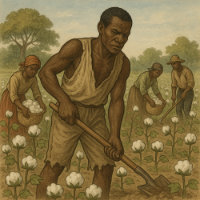
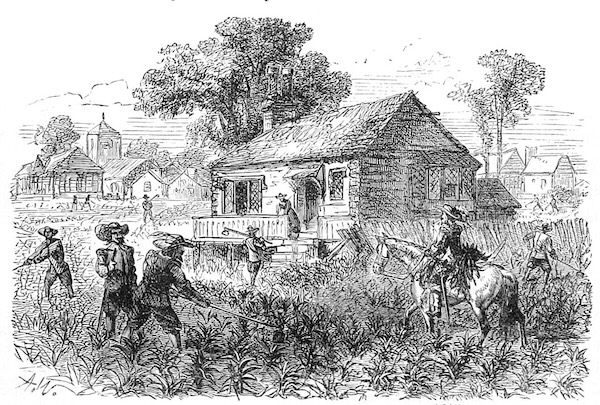
Engraving from 1615 showing English colonists in Jamestown cultivating tobacco in rows, with a mix of workers performing agricultural labor in an open field.

Illustration of tobacco cultivation at Jamestown, Virginia, showing English settlers working alongside enslaved and indentured laborers


Colonial settlements required a lot of labor to survive and grow. People were needed to build homes, grow food, and support the economy. Over time, the systems used to supply that labor changed, sometimes in ways that raised serious questions about freedom, fairness, and power.


The way people worked in the colonies changed a lot over time. What do you think might cause a colony to change the kind of workers it relies on?

Post your answer

As students share their responses, encourage them to think about the different reasons a colony might change the kinds of workers it relies on. Guide a discussion about how a colony's priorities influence its workforce by asking: How might a colony's goals affect the kinds of workers it needs? Press students to consider how the work people do can change as a colony grows and develops. Highlight answers that recognize that changes in a colony often create new needs for different kinds of laborers.


In this experience, you’ll explore what kinds of labor systems existed in the colonies and investigate why they changed and what those changes reveal about colonial society.

Objectives:

  • Describe how and why labor systems changed in the English colonies
  • Analyze how economic needs, legal systems, and racial beliefs shaped colonial labor


Students will work in small groups in the next scene. Before moving on, organize students into groups of three or four. When everyone is ready to continue, unlock the next scene.

End of Preview
The Complete List of Learning Experiences in Exploration and Colonization Unit.
Would you like to preview the rest of this learning experience, and get access to the entire functioning US History Through 1877 course for your classroom? Sign up using your school email address below.
Back to top