Exploration and Colonization unit contains 17 learning experiences.
Learning Experiences (Lessons) in Exploration and Colonization Each learning experience takes about 45 minutes to teach in the device-enabled classroom.
European Exploration
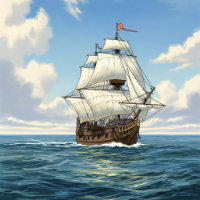
Students develop an understanding of why European nations explored the Americas by examining the motivations that drove the Age of Exploration. They compare how the goals of Spain, France, and England shaped their actions in the New World.
Spanish Conquests and Colonization
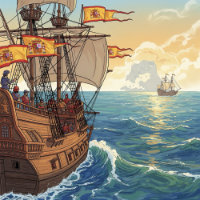
Students learn about the causes and effects of Spanish exploration and colonization in the Americas. They compare the conquest of Central and South America with the slower, settlement efforts in the North American Southwest to understand what factors shaped Spain’s colonial efforts.
The Columbian Exchange
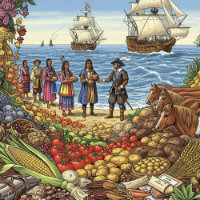
Students explore how the Columbian Exchange began and what goods, animals, and diseases were exchanged between Europe and the Americas. They develop an understanding of its lasting impact on cultures, environments, and populations across the world.
European Colonization
In this experience, students learn how Spanish, French, and Dutch colonization of North America was shaped by each country’s goals for exploration. They also explore the lasting effects of colonization on Indigenous peoples and the environment.
English Colonization
In this experience, students explore why the English established colonies and how different goals shaped their success. They compare these early settlements to understand how motivations like profit and religion influenced colonial outcomes.
Jamestown and Plymouth
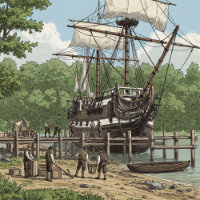
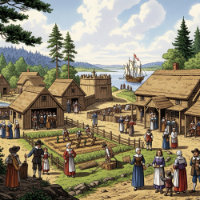
Students explore the settlers, goals, and outcomes of Jamestown and Plymouth, using primary sources to compare their development and examine the environmental impact of early colonization.
Trade and Profit
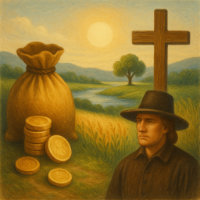
In this experience, students learn how trade and profit shaped life in the North American colonies. They explore how triangular trade and mercantilism worked together to influence colonial economies and increase wealth in Europe.
New England and Religious Freedom
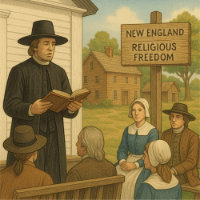
Students explore how the desire for religious freedom shaped the founding, structure, and conflicts of the New England Colonies and how that freedom was both promoted and restricted for different groups.
Comparing the Colonial Regions
Students explore how geography and founding goals influenced life in the New England, Middle, and Southern colonies. They analyze how physical and human characteristics shaped regional economies, daily life, and the development of colonial society and government.
Cooperation and Conflict in the Colonies
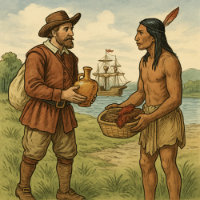
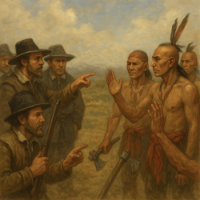
Students learn that relationships between colonists and Indigenous peoples changed over time. They explore how early cooperation gave way to conflict as a result of growing tensions, shifting power, and broken agreements.
Colonial Governments
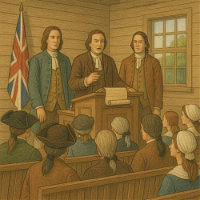
Students learn how the challenges of colonial life led to the development of representative government in the colonies. They explore how early documents reflected colonists’ efforts to govern themselves and protect their rights.
Labor in the Colonies
Students explore how labor systems in the colonies changed over time and examine how laws, race, and economics shaped the shift from indentured servitude to slavery.
Enslavement in the Colonies
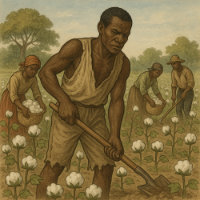
In this experience, students learn about the transatlantic slave trade and the experiences of enslaved Africans during the Middle Passage and in the colonies. They explore how slavery shaped colonial life and how enslaved people endured, contributed, and preserved culture under oppressive conditions.
Colonial Arts and Literature
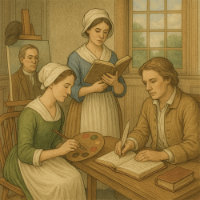
In this experience, students learn how art, music, and literature express the values and experiences of colonial society. They explore how creative works can reflect life in a specific time and place using both primary and secondary sources.
Life in the Colonies
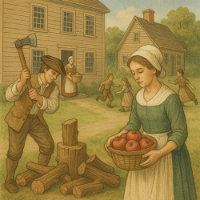
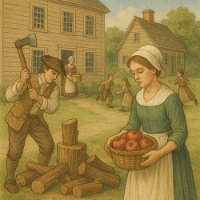
Students investigate daily life in the colonies through the eyes of a specific group. They analyze sources, build understanding, and share their findings through writing and presentation.
Exploration and Colonization: Review
This collaborative review guides students through reflection, vocabulary, and content practice to reinforce key learning. Interactive activities and optional writing help deepen understanding before a final exit ticket.