Add a Curriculum Bundle to Your Account!
Please select a bundle.


The Pack contains associated resources for the learning experience, typically in the form of articles and videos. There is a teacher Pack (with only teacher information) and a student Pack (which contains only student information). As a teacher, you can toggle between both to see everything.
Here are the teacher pack items for Southern and Eastern Africa: Society and Culture:

Overview In this experience, students examine how culture is learned, shared, and passed from one generation to another in Eastern and Southern Africa. They explore how families, communities, traditions, arts, religions, and institutions help maintain cultural knowledge while allowing practices to change over time. Students then research cultural examples from one country and create a cultural report. Finally, they examine education as one way societies pass knowledge and information across generations and consider how limited access to education can affect that process. Objectives:
Culture includes the ideas, practices, and traditions that people learn and share with others. Language, religion, music, art, food, stories, celebrations, family life, and community traditions can all be parts of culture.
People are not born knowing these things. Much of culture is learned from other people. Culture also does not remain exactly the same over time. People may preserve some traditions, adapt others, and develop new ways of expressing important ideas. A cultural practice can change while still connecting people with their families, communities, and history.
In this experience, you will examine how people in Eastern and Southern Africa express culture and pass knowledge, traditions, and values from one generation to another. You will also investigate how cultural practices and institutions can change while continuing to play important roles in society.
Objectives:
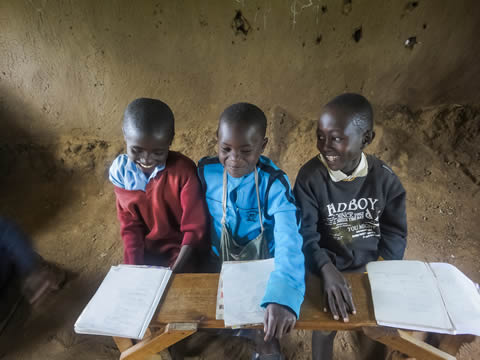
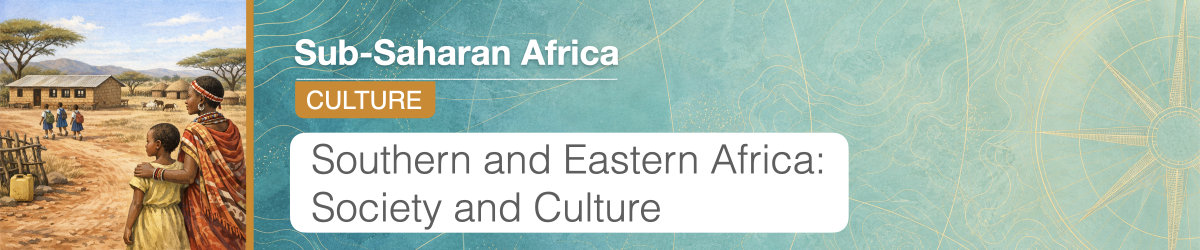
School Children in Kenya
What is one way a community can pass knowledge, traditions, or values from one generation to another?
After students respond, invite several students to share the examples they identified. Use the discussion to broaden students' understanding of how culture is learned. Students may mention family members, schools, religious institutions, stories, music, art, celebrations, community events, or learning particular skills. Emphasize that different communities may pass cultural knowledge in different ways. Possible follow-up questions include:
When everyone is ready to continue, unlock the next scene.


