Add a Curriculum Bundle to Your Account!
Please select a bundle.




The Pack contains associated resources for the learning experience, typically in the form of articles and videos. There is a teacher Pack (with only teacher information) and a student Pack (which contains only student information). As a teacher, you can toggle between both to see everything.
Here are the teacher pack items for The 1824 and 1828 Presidential Elections:

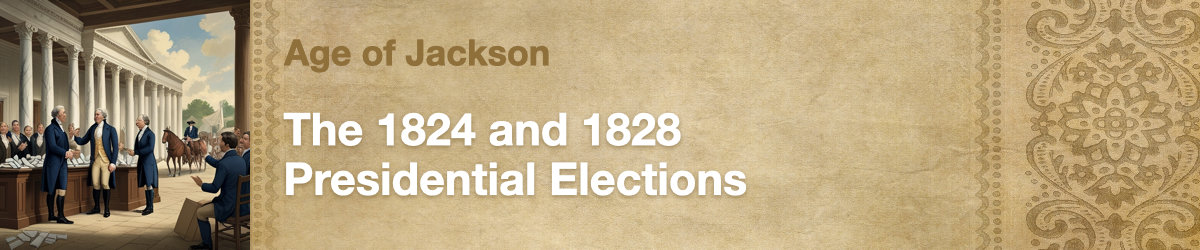
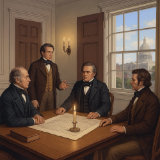
Overview In this experience, students examine how the elections of 1824 and 1828 shaped American democracy. First, they reflect on the qualities people want in a leader and consider how elections can influence the way people choose their leaders. Next, students analyze the results of the 1824 election to understand why there were divided votes, why no candidate won a majority, and how the “corrupt bargain” affected public trust and shifted the American political scene. Then, students investigate the election of 1828 to see how broader voter participation, organized campaigns, and new party competition marked a turning point in American democracy. Finally, the Elaborate scene invites students to explore political broadsides as an example of mudslinging and evaluate how negative campaigning influenced elections in the early United States. Estimated Duration: 45–60 minutes Vocabulary Words and Definitions Objectives:
To effectively engage with this unit, students need to understand the difference between democracy and politics. Clarify that these two words are connected but not the same. Democracy is a system of government where power comes from the people. In the United States, this meant expanding voting rights, electing representatives, and shaping government institutions to reflect the will of citizens. Politics is the process of participation within that system. It includes activities such as campaigning, debating issues, forming parties, and even negative tactics like mudslinging. The two ideas are inseparably linked. Democracy provides the structure, while politics is how people and leaders act within that structure. During the Age of Jackson, the expansion of voting rights for white men led to new political behaviors. Leaders like Andrew Jackson used popular appeal and party organization to gain support, showing how political participation could strengthen and change democracy.
Students may be confused by political party names because the groups we call Democrats and Republicans today do not align with the same ideas they represented in the past. In the early 1800s, the Democratic-Republicans were the dominant party. That group eventually split, with Andrew Jackson’s supporters forming the Democratic Party and his opponents becoming the National Republicans and later the Whigs. Much later in United States history, especially by the mid-20th century, the Democratic and Republican Parties experienced a major switch in their platforms and voter bases. This means that the positions and coalitions associated with each party today are very different from those in the early republic. Making this clear helps students keep track of how parties evolved and prevents confusion when comparing political labels across time.
Before beginning this experience, you may also want to review the term candidate. Students first encountered this word in the “Elections” experience when learning about the Constitution. Reviewing it now will help students understand how candidates campaign for office and why Andrew Jackson's victories and defeats in the elections of 1824 and 1828 shaped the political changes explored in this unit.
To extend this experience once completed, consider having students return to their answers in the Engage scene. Have them discuss which characteristics are most important for a leader to have, and create a class list of about ten characteristics. Then, have students create a set of behavior guidelines for leaders during campaigns based on the characteristics they think a leader should have, i.e., leaders should be honest (characteristics); therefore, leaders running for office should not lie about their opponents (campaign rule). Discuss if the rules were real, how might the public opinion about campaigns and leaders change? Finally, have students write a letter they could send to Congress to convince them to pass a law that requires candidates to follow the campaign behavior rules. Have them explain why the law is needed and how it would help.
Throughout history, people have often debated what makes a good leader. In different times and places, citizens have looked for leaders who could guide them through challenges, protect their interests, or represent their values. In the United States during the early 1800s, questions about leadership became especially important as more Americans gained the right to participate in politics and choose their representatives.
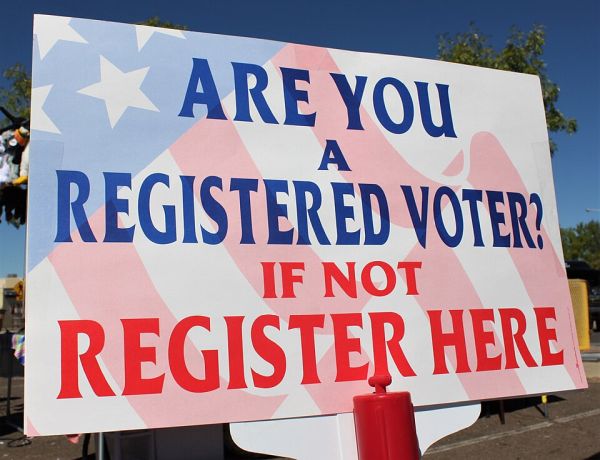
American citizens must register to vote in order to take part in elections and choose their leaders
Think about the qualities of a leader. What words do you think BEST describe the qualities people want in a leader?
When reviewing the word cloud, invite students to explain why they chose certain qualities or what they notice about the cloud the class created. Guide the discussion toward how those qualities influence a leader’s effectiveness and connect to the needs of the people they represent. Ask: Which qualities in our word cloud do you think a leader would need to have to be both effective and representative of the people? Emphasize reasoning rather than simply naming traits. This will help students prepare to analyze how leadership qualities shaped politics and democracy during the Age of Jackson.
In this experience, you will learn how two presidential elections sparked major changes in both politics and democracy, reshaping how leaders were chosen and how ordinary people influenced the direction of the nation.
Objectives: