Age of Jackson unit contains 10 learning experiences.
Learning Experiences (Lessons) in Age of Jackson Each learning experience takes about 45 minutes to teach in the device-enabled classroom.
The 1824 and 1828 Presidential Elections
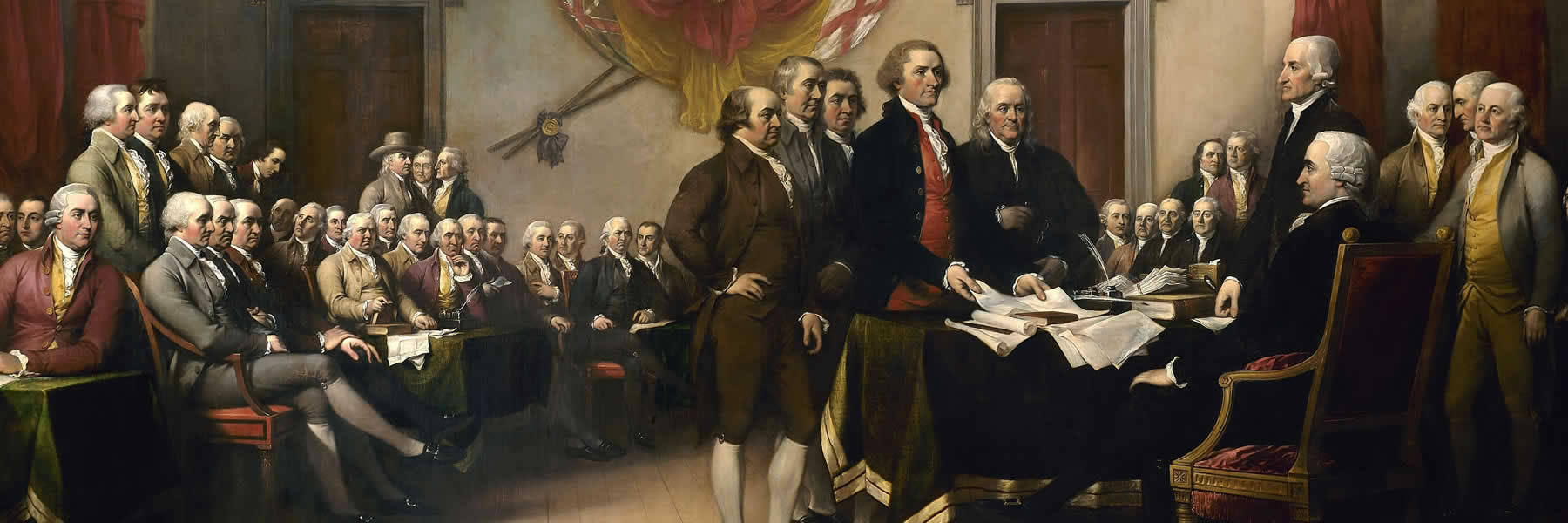
Students learn how the elections of 1824 and 1828 reshaped American politics and democracy by investigating the impact of divided votes, the “corrupt bargain,” expanded voter participation, organized campaigns, the rise of new political parties, and the emergence of negative campaigning.
The Rise of Jackson
Students learn how Andrew Jackson’s rise to power reshaped U.S. politics, inspiring claims to support the “common man,” sparking the Democratic and Whig parties, and raising questions about how his early presidency upheld or contradicted populist promises.
Indigenous People of the Southeast
Students learn that the Cherokee, Chickasaw, Choctaw, Creek, and Seminole Nations were established, interconnected societies with their own traditions, governments, and cultures, and that they made decisions to protect land, identity, and community in the Southeast.
The Indian Removal Act
Students learn how the Indian Removal Act and Supreme Court rulings reflected limits on Indigenous rights, showing how U.S. law and Jackson’s policies prioritized expansion and power over Indigenous sovereignty and land ownership.
The Trail of Tears
Students examine Indigenous resistance and the Treaty of New Echota. Then, they trace the Trail of Tears, where forced removal caused great hardship, but Native nations rebuilt communities, preserving culture and survival as a lasting legacy.
States' Rights and the Nullification Crisis
Students learn how the Nullification Crisis revealed tensions over federal and state power. They examine how tariffs fueled conflict, and how leaders used force and compromise to shape authority, representation, and the survival of the Union.
The Second National Bank Crisis
Students learn how Andrew Jackson’s Bank War affected Americans, showing both short-term benefits and long-term harm, and how these impacts revealed struggles for farmers, merchants, and workers during the Panic of 1837.
Political Participation in the Age of Jackson
Students learn how political participation expanded in the Age of Jackson, how parties and elections reshaped democracy, why many groups remained excluded, and how those excluded influenced politics even without voting rights.
Age of Jackson: Review
This collaborative review guides students through reflection, vocabulary, and content practice to reinforce key learning. Interactive activities and optional writing help deepen understanding before a final exit ticket.