Reform and Culture unit contains 9 learning experiences.
Learning Experiences (Lessons) in Reform and Culture Each learning experience takes about 45 minutes to teach in the device-enabled classroom.
An Era of Reform
Students learn that growing social, economic, and moral problems in the early 1800s led Americans to call for reform, and that new ideas about self-reliance, conscience, and equality shaped how people understood improvement and responsibility.
Social Reform
Students learn how religious and moral ideas during the early 1800s inspired Americans to address social problems. They discover how reformers worked to improve education, prisons, temperance, and care for people with disabilities, transforming American society.
The Abolition Movement
Students learn how the abolitionist movement emerged and grew, how different abolitionists worked toward shared goals in varied ways, and how the Fugitive Slave Act of 1850 intensified opposition to slavery and strengthened organized efforts to demand immediate change.
The Underground Railroad
Students learn how the Underground Railroad functioned as a secret network, the dangers enslaved people faced, the support systems that made escape possible, and how resistance efforts challenged the economic and social power of slavery.
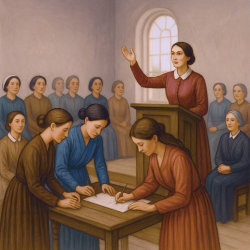
The Women’s Rights Movements
Students learn how women in the early 1800s organized for equal rights during the Age of Reform by examining the Seneca Falls Convention, early limits on women’s citizenship, and how reform movements expanded efforts toward equality in the United States.
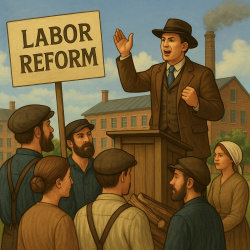
Labor Reform
Students learn how early workers responded to harsh industrial conditions by organizing, striking, and forming unions, and how changing court decisions shaped their ability to act together and push for fair wages, safer workplaces, and better treatment.
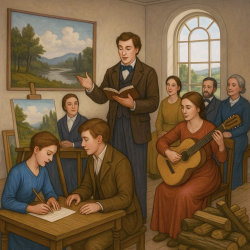
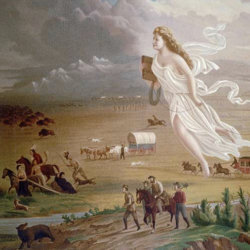
Reform and the Arts
Students learn how American art and literature during the Reform Era reflected changing beliefs about emotion, individuality, and national identity, showing how writers and artists expressed both the challenges and hopes of nineteenth-century America.
Reform and Culture: Review
This collaborative review guides students through reflection, vocabulary, and content practice to reinforce key learning. Interactive activities and optional writing help deepen understanding before a final exit ticket.
The Complete List of Units in the Grade 8 U.S. History Course.