The French and Indian War, taxation in the colonies, Boston Massacre and Boston Tea Party, the Declaration of Independence, the Revolutionary War
American Revolution unit contains 19 learning experiences.
Learning Experiences (Lessons) in American Revolution Each learning experience takes about 45 minutes to teach in the device-enabled classroom.
The French and Indian War
Students examine how the causes and effects of the French and Indian War and how the war’s outcomes changed colonial attitudes toward Britain.
Rising Conflicts in the West
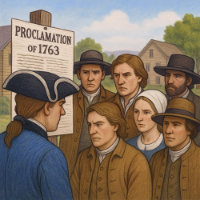
Students investigate rising tensions in the West after the French and Indian War, examining causes and effects from multiple perspectives, including Pontiac’s War and the Proclamation of 1763.
New Taxes in the Colonies
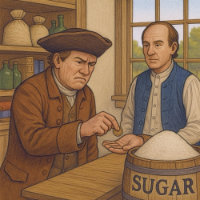
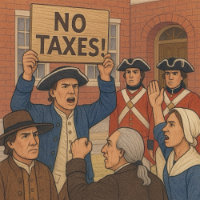
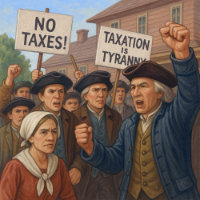
Students investigate how new British taxes heightened conflict with the colonies by examining differing perspectives, key tax laws, and primary sources to understand viewpoints on money, government, and colonial resistance.
Boycotts, Protests, and Colonial Activism
Students examine how colonists protested British policies, exploring methods of protest, Britain’s responses, and the effectiveness of each, with a deeper look at the Sons and Daughters of Liberty.
Rising Tensions in the Colonies
Students examine how British and colonial actions built on each other to increase tensions before the American Revolution, analyzing key events, causes, and effects, and the colonies’ growing unity.
The Boston Massacre
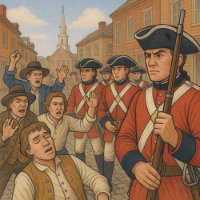
Students examine multiple perspectives of the Boston Massacre through images and firsthand accounts, then decide who was responsible using evidence.
The Boston Tea Party
Students investigate the Boston Tea Party by examining its causes, reactions, and perspectives, then consider whether it helped or hurt the colonists’ cause.
Lexington and Concord
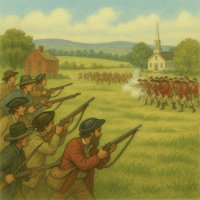
Students explore the Battles of Lexington and Concord by creating a timeline and analyzing primary sources to see how different perspectives and artistic retellings shape historical stories.
Influences on the Colonists
In this experience, students learn how colonial beliefs about law, liberty, and authority were shaped by English political traditions and religious movements. They also examine how these ideas influenced growing resistance to British rule and were later echoed in Thomas Paine’s Common Sense.
The Second Continental Congress and Independence
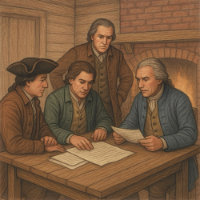
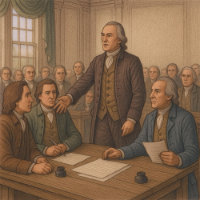
Students examine how colonial leaders moved from seeking peace to declaring independence, exploring key events and changing perspectives that led to the break with Britain.
Declaration of Independence
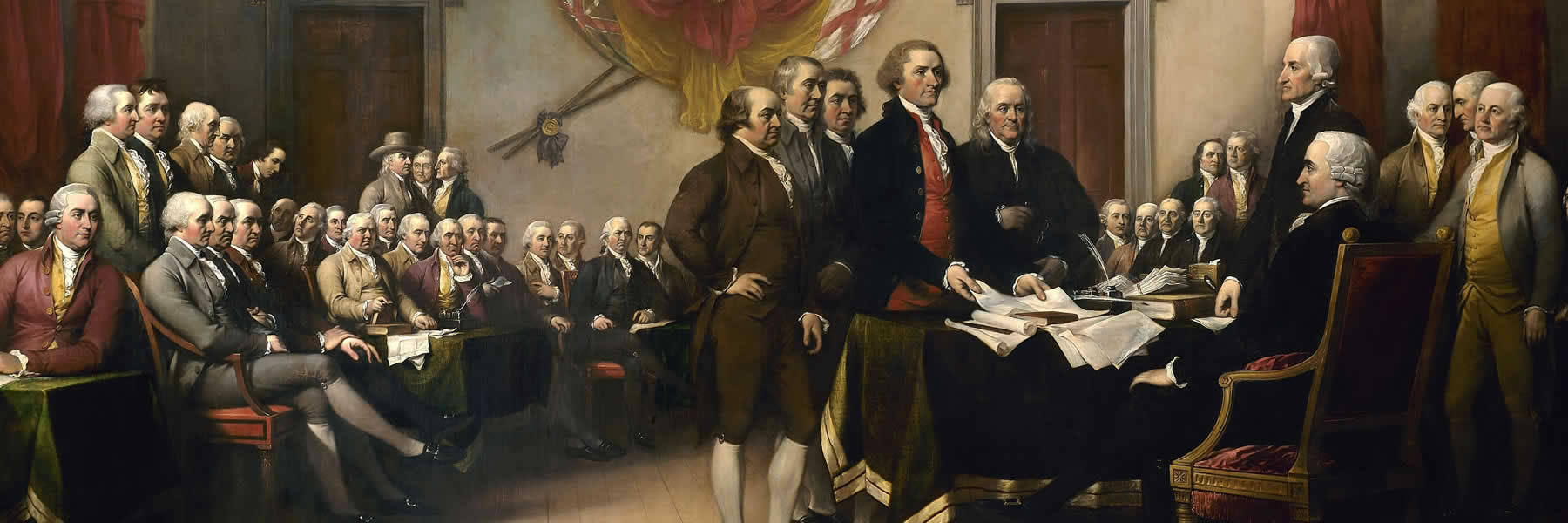
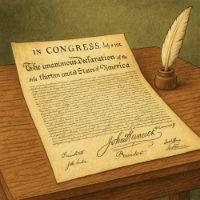
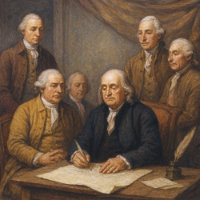
Students learn that the Declaration of Independence argues for freedom by defining unalienable rights, listing grievances against the king, and declaring the colonies' right to act as free and independent states.
Turning Points and Foreign Allies
Students learn how specific battles in the American Revolution became turning points and how foreign alliances influenced the war’s outcome. They connect military victories to shifts in strategy and international support.
Women during the Revolution
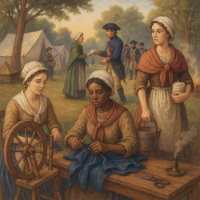
Students explore how women shaped the Revolutionary War by examining their diverse roles and evaluating biographies of key figures. They analyze primary sources, interpret contributions, and consider how these efforts influenced independence and aided in the war effort.
African Americans and the Revolution
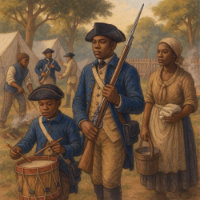
Students learn about the contributions of enslaved and freed African Americans to the Revolution. They examine the roles they held, the sides they chose, and how their experiences reflected different paths toward freedom and opportunity.
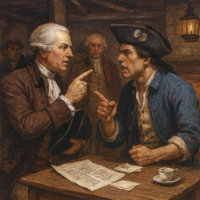
Patriots vs. Loyalists – The Debate Over Independence
Students explore the contributions of significant individuals in the American Revolution by conducting independent research. They craft and support claims about these contributions, considering how research shapes their understanding of historical events.
American Victory
Students learn how the Battle of Yorktown led to the British surrender and how the Treaty of Paris ended the American Revolution. They explore the battle’s turning point and the treaty’s role in securing American independence.
Important People of the Revolution
Students explore the contributions of significant individuals in the American Revolution by conducting individual research. They craft and support claims about significant contributions and consider how research shapes their understanding of historical events.
American Revolution: Review
This collaborative review guides students through reflection, vocabulary, and content practice to reinforce key learning. Interactive activities and optional writing help deepen understanding before a final exit ticket.