Add a Curriculum Bundle to Your Account!
Please select a bundle.




The Pack contains associated resources for the learning experience, typically in the form of articles and videos. There is a teacher Pack (with only teacher information) and a student Pack (which contains only student information). As a teacher, you can toggle between both to see everything.
Here are the teacher pack items for Reform and the Arts:

Overview In this experience, students examine how American art and literature reflected and influenced the ideas of the Reform Era. First, they analyze an excerpt from John Greenleaf Whittier’s poem “Voice of New England” to explore how writers used emotion and imagery to inspire people to think about freedom, community, and justice. Next, students read about major themes in American Romanticism to understand how imagination, nature, and individuality shaped new ways of thinking in the early 1800s. Then, students study the Hudson River School to see how artists like Thomas Cole expressed national pride and spiritual meaning through landscape painting, helping Americans view the land as central to their identity. In the Elaborate scene, students learn how to evaluate credible sources as they research writers from the period, connecting their work to the broader social and cultural changes of the time. Finally, the Evaluate scene invites students to present their findings and discuss how writers’ and artists’ ideas reflected both the challenges and hopes of Americans during the Age of Reform. Estimated Duration: 60–75 minutes Vocabulary Words and Definitions: Objectives:
This experience is designed without optional scenes so that students move through the full research and sharing process. Each part builds the understanding they will need for the final presentation.
In the Elaborate scene, students will work independently on the activity about credibility before shifting to small groups for the remainder of the experience. Most of the work that follows is collaborative, though the Evaluate scene includes a few independent responses students complete while listening to presentations.
During the First Age of Reform, writers produced many texts that were shared across communities. People often read these works in printed collections, public meetings, or local gatherings as part of everyday life.
Read the excerpt from the poem below, then share your thoughts about what it reveals about beliefs and ideas during this time period.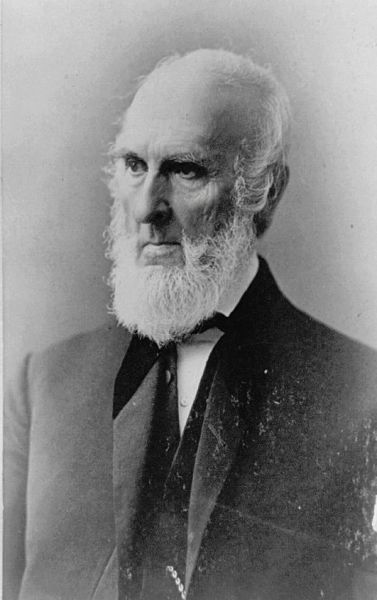
John Greenleaf Whittier
Excerpt from “Voice of New England”
A poem by John Greenleaf Whittier
UP the hillside, down the glen,
Rouse the sleeping citizen;
Summon out the might of men!
Like a lion growling low,
Like a night-storm rising slow,
Like the tread of unseen foe;
It is coming, it is nigh!
Stand your homes and altars by;
On your own free thresholds die.
Based on this excerpt, what might this poem suggest about how people viewed freedom, responsibility, or community during the early reform period?
After students share their ideas on the discussion wall, guide them toward noticing how the poet uses vivid, urgent language to stir emotion and call people to action. Ask: What words or images stand out to you, and what feelings do they create? Then prompt students to consider how this poem might connect to the early reform movement by asking: What ideas from this excerpt remind you of what people were thinking, questioning, or trying to change during this time? Extend the conversation by asking: Whose voices might have felt lifted by this message, and who might have felt challenged or threatened? You might also ask: How can art or literature help people become more aware of an issue or encourage them to think about change?
In this experience, you will learn how American art and literature during the Age of Reform communicated powerful ideas about society and helped shape a growing sense of national identity.
Objectives: