Add a Curriculum Bundle to Your Account!
Please select a bundle.





The Pack contains associated resources for the learning experience, typically in the form of articles and videos. There is a teacher Pack (with only teacher information) and a student Pack (which contains only student information). As a teacher, you can toggle between both to see everything.
Here are the teacher pack items for Social Reform:


Overview In this experience, students explore how social reform movements shaped American society during the early 1800s. First, they reflect on what makes a society fair and functioning by considering the social needs and values that contribute to a successful community. Next, students learn about the Second Great Awakening and explain how its message of moral improvement and personal responsibility helped inspire reform. Then, students work in groups to investigate major reform movements, including those focused on education, prisons, temperance, and care for people with disabilities. Through their analysis and discussion, students identify the problems reformers sought to solve, the solutions they proposed, and the impacts of their efforts. Finally, the Elaborate scene invites students to extend their thinking by writing a paragraph that connects evidence from multiple movements to explain how Americans worked together to transform society during the First Age of Reform. Estimated Duration: 45–60 minutes Vocabulary Words and Definitions Objectives:
In this experience, students will work together in small groups during the Explain scene to complete a jigsaw on the causes and effects of different reform movements. Consider previewing the reading and the activity to inform grouping so that students can engage with their assigned reform area with confidence and clarity.
Either before starting the experience or before the Explain scene, take a moment to review the word temperance. Students encountered this term during the Industrialization unit, but may need a quick reminder that it refers to efforts to limit or reduce alcohol use. Clarifying the meaning up front will help them understand the goals of the temperance movement as they analyze reform efforts.
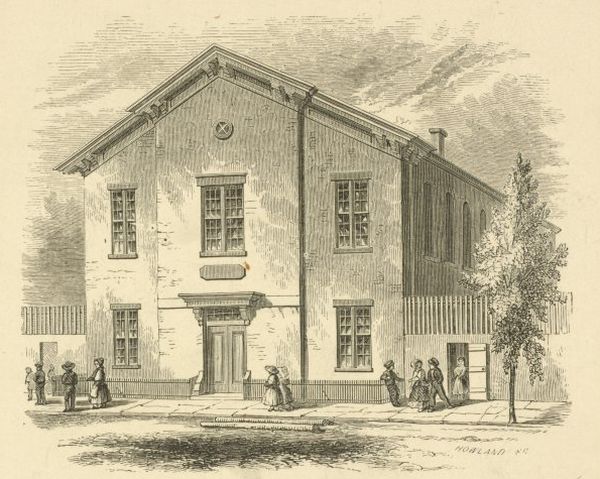
Illustration of a public school building in the early 1800s
Many different factors shape how a society functions, from the opportunities people have to the way communities care for one another. During periods of reform, these factors become especially important as people debate which needs should be addressed first. Thinking about these priorities helps reveal what different groups believe is necessary for a fair and successful society.
Which of these do you think matters most for building a fair and successful society?
When reviewing student poll results, begin by asking: What patterns do you notice in what we think is most important? Encourage students to explain why they think certain areas are especially important for a fair society. Highlight how different priorities, such as education, safety, or equal rights, reflect the larger goal of improving people’s lives and creating opportunity for all. Then ask: How do you think these priorities connect to the First Age of Reform? Use student responses to help them see that many people during this time were motivated by similar concerns about fairness, morality, and improving their communities.
In this experience, you will learn how religious beliefs influenced some Americans to think differently about improving their communities. Additionally, You will also learn how concerns about fairness, opportunity, and community well-being encouraged many people to support reforms in education, prisons, temperance, and the care of people with disabilities.
Objectives: