Add a Curriculum Bundle to Your Account!
Please select a bundle.




The Pack contains associated resources for the learning experience, typically in the form of articles and videos. There is a teacher Pack (with only teacher information) and a student Pack (which contains only student information). As a teacher, you can toggle between both to see everything.
Here are the teacher pack items for The Abolition Movement:

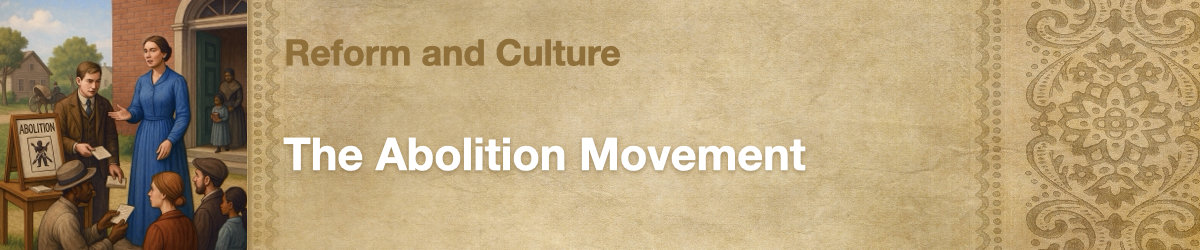
Overview In this experience, students investigate how the abolitionist movement grew and how different groups responded to the system of slavery. First, students consider why some people supported slavery by examining the social and economic structures that upheld it. Next, they explore the early growth of the abolitionist movement by analyzing its goals, strategies, and internal disagreements, and by connecting these ideas to the broader problems people faced. Then, students examine the Fugitive Slave Act of 1850 to understand its impact on the enslaved, enslavers, free Black communities, and abolitionists, and analyze how both the law and Frederick Douglass’s response to it intensified calls for resistance and reform. Finally, the Elaborate scene invites students to study Frederick Douglass’s life and leadership more closely and evaluate how his experiences and actions helped shape the movement to end slavery. Estimated Duration: 60–75 minutes Vocabulary Words and Definitions Objectives:
Before beginning this experience, review the term Missouri Compromise with students, as they first encountered this word in the "Era of Good Feelings" experience when studying the Early Republic. Revisiting the specific details, causes, and effects of the Missouri Compromise will help students better understand the growing conflict and tensions over slavery covered in this experience, and why abolitionists increasingly pushed to reform or end the institution of slavery altogether. Additionally, review the term abolitionist with students. This vocabulary is foundational to the work they will do in early scenes, where they will analyze sources and perspectives connected to people who actively worked to end slavery. Ensuring students have a clear, accurate understanding of what an abolitionist is helps prevent early misconceptions from blocking deeper reasoning later in the experience.
This experience is slightly longer than a typical experience, so plan for an additional 15–20 minutes of class time to complete it. The extended time allows students to explore the growth and impacts of the abolitionist movement with the depth and reflection the topic requires and deserves.
To add a project-based learning element to this experience, have students explore how powerful stories can inspire empathy and spark social change, much like Uncle Tom’s Cabin did for the abolitionist movement. Have students watch the video about Uncle Tom’s Cabin and then discuss how the story influenced public attitudes toward slavery and why narrative can be a powerful tool for social change. Then have students select an abolitionist or freedom advocate, such as Elizabeth Freeman, Maria W. Stewart, or Mary Ann Shadd Cary, and investigate how that person’s story helped raise awareness of slavery and injustice.
Throughout history, people have used images to show their opinions about important issues. Look at the image below. Think about who might have created it and their reasons for creating it. Then share your ideas in the discussion wall below.
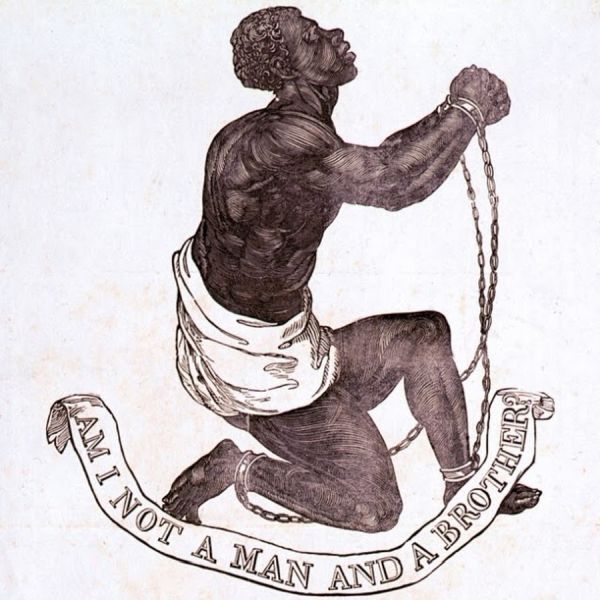
Who do you think created this image? Why do you think they created it?
As students share who they think created the image, prompt them to point to specific details that shaped their thinking, such as the posture, expression, or the text included. Encourage them to explain how those details guided their ideas about the creator. When they discuss why the image may have been made, ask students to support their reasoning with evidence they notice, such as the emotional appeal or the message suggested by the imagery.
In this experience, you will learn how ordinary people challenged slavery by organizing movements, resisting unjust laws, and taking dangerous risks to help others escape, revealing why the fight over slavery became one of the most powerful forces shaping the United States.
Objectives: