Add a Curriculum Bundle to Your Account!
Please select a bundle.




The Pack contains associated resources for the learning experience, typically in the form of articles and videos. There is a teacher Pack (with only teacher information) and a student Pack (which contains only student information). As a teacher, you can toggle between both to see everything.
Here are the teacher pack items for African Americans and the Revolution:

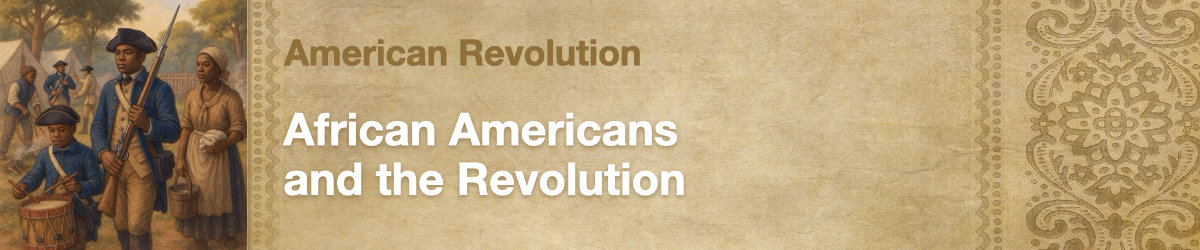
Overview In this experience, students examine the contributions of enslaved and freed African Americans in the Revolution by identifying how they participated and considering their different experiences. First, students predict different reasons African Americans might have decided to side with the Patriots or the Loyalists. Next, students identify the various roles African Americans served in the war and consider how the war affected their lives. Then, students compare the reasons African Americans had for choosing to join the Patriots or Loyalists and the experiences they had fighting with each side. Finally, the Elaborate scene invites students to analyze the service and experiences of two African American Patriot soldiers, James Armistead and Wentworth Chestwell, and consider what their stories reveal about how African Americans contributed to the fight for independence. Estimated Duration: 45–60 minutes Vocabulary Words and Definitions: Objectives:
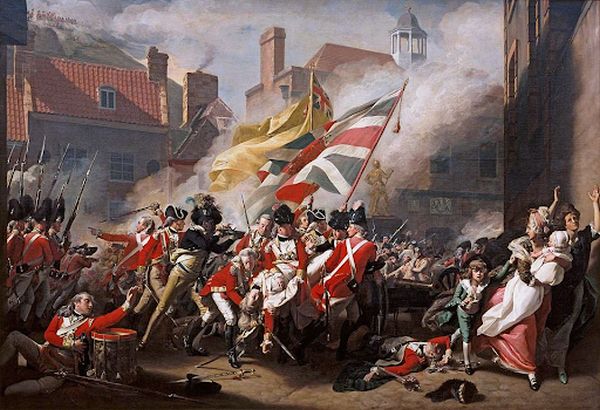
The Death of Major Peirson, 6 January 1781 by John Singleton Copley (1783)
When the American Revolution began, the fight for freedom took on different meanings for different people. While colonists argued against British control, many African Americans, both enslaved and free, were also drawn into the conflict.
Thousands of Black men participated in the war on both sides of the conflict. In total, about 9,000 Black soldiers served with the Patriots, while nearly 20,000 supported the British.
Why do you think enslaved and freed African Americans joined the colonists during the war? Why do you think they joined the loyalists?
As you review the discussion wall, highlight strong student answers by pointing out specific reasons they suggest for why African Americans may have chosen to fight. Then, bring students’ attention back to the statistics in the text: about 9,000 African Americans fought for the Patriots, while nearly 20,000 supported the British. Ask: What ideas do you have about why more African Americans chose to fight for the Loyalists than for the Patriots? Highlight responses that predict that many enslaved people chose the Loyalists because the British offered them a greater chance of gaining freedom than the Patriots did.
In this experience, you will learn about the role African Americans played in the Revolutionary War and what their experiences reveal about the limits and possibilities of freedom during that time. You will examine how both enslaved and free individuals participated in the conflict and compare the outcomes for those who sided with the Patriots or the Loyalists after the war ended.
Objectives: