Add a Curriculum Bundle to Your Account!
Please select a bundle.

The Pack contains associated resources for the learning experience, typically in the form of articles and videos. There is a teacher Pack (with only teacher information) and a student Pack (which contains only student information). As a teacher, you can toggle between both to see everything.
Here are the teacher pack items for Boycotts, Protests, and Colonial Activism:

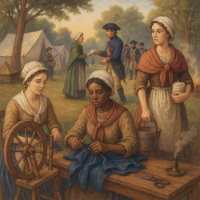
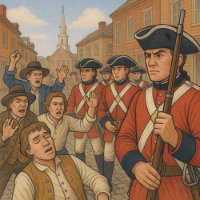
Overview In this experience, students evaluate the different methods colonists used to protest and organize against British policies. First, they consider ways people can protest or show disagreement when they think something is unfair, and predict how colonists might act. Next, students identify the different methods American colonists used to express their disagreements and anger regarding British policies and predict how they think Britain might have responded. Then, students evaluate how Britain responded to colonial activism, and they discuss which forms they think were most effective for fighting British rule. Finally, the elaborate scene invites students to take a deeper look at the Sons of Liberty and the Daughters of Liberty and compare and contrast methods of aggressive and violent activism to non-violent actions. Estimated Duration: 45–60 minutes Vocabulary: Objectives:
This experience includes several key terms that are essential for understanding the reading and participating in discussions. Consider previewing the vocabulary with students before beginning the experience to support comprehension and ensure all learners can engage with the content. Reviewing these words in advance will help students better understand how colonial resistance developed and how different actions connected to larger political ideas.
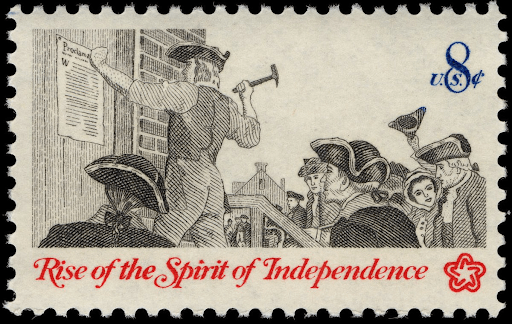
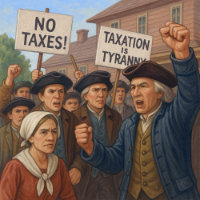
Throughout history, people have found ways to express their disagreements with their governments and other organizations. This has played an important role in bringing attention to unfair treatment and creating change in societies around the world.
Consider the different ways people can communicate their frustrations and disagreements with their governments or powerful organizations. Then, answer the discussion question to share your ideas.What are some ways people can protest or show disagreement when they think something is unfair?
After reviewing answers to the discussion wall, guide students in a discussion to generate predictions about how the colonists responded to British laws for the colonies. Ask: How do you think the colonists might have responded to the new laws Britain was passing? Encourage them to use their ideas from the discussion prompt to consider what actions people might take when they feel a government is treating them unfairly. Do not feel the need to correct misconceptions at this point in the experience. Students will uncover more in the coming scenes.
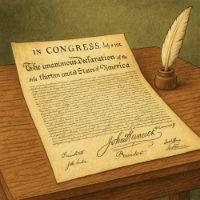
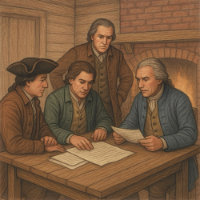
In this lesson, you will learn how colonists showed resistance to British rule through actions like protests, petitions, and boycotts. You will also explore the effects of these actions on the colonies, the British government, and the growing conflict between them.
Objectives: