Add a Curriculum Bundle to Your Account!
Please select a bundle.




The Pack contains associated resources for the learning experience, typically in the form of articles and videos. There is a teacher Pack (with only teacher information) and a student Pack (which contains only student information). As a teacher, you can toggle between both to see everything.
Here are the teacher pack items for Turning Points and Foreign Allies:


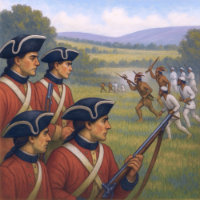
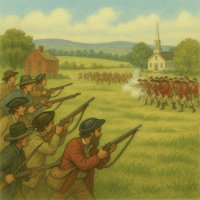
Overview In this experience, students explore the events that could be considered turning points in the American Revolution and examine the role of foreign alliances. First, they define “turning point” by considering what makes an event a turning point. Next, students examine different battles of the Revolution and investigate the characteristics and effects of the battles that would qualify them as turning points. Then, students analyze how foreign involvement, notably France’s alliance, changed the course of the Revolutionary War. Finally, the Elaborate scene invites students to investigate the Netherlands’ role in the Revolution and evaluate how their actions contributed to the war’s turning points. Estimated Duration: 45–60 minutes Vocabulary Words and Definitions: Objectives:
In both the Engage and Explore scenes, students will work in partners or small groups. Grouping is flexible based on your classroom needs. To support the flow of the experience, prepare student groups in advance and inform students of their group assignments at the start of the experience. Arrange students in their groups before beginning.
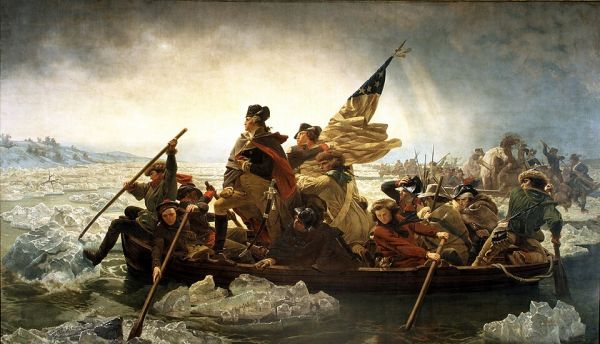
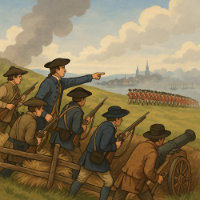
The fight for independence didn’t stay the same from beginning to end. As you have learned, the colonists first struggled against a stronger British force. But as the war continued, certain events began to change how the conflict looked and felt. Things began to shift in ways that surprised both sides.
In this experience, you’ll be examining the turning points of the war. Before you begin, you must first be able to explain what makes an event a turning point. Discuss the list of historical events with your partner or small group. Together, decide which you think are turning points and discuss why you think they are. Discuss why the others should not be considered turning points. Then, record the events you agree were turning points in the discussion wall.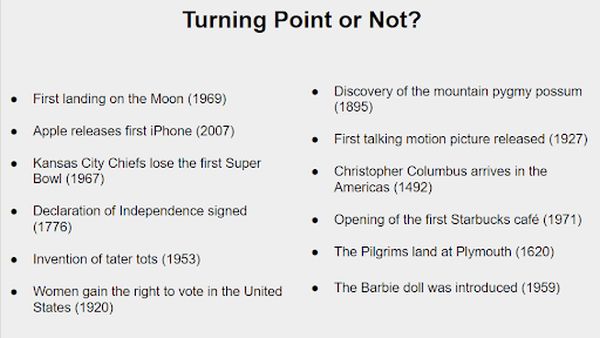
Record the events your group believes were turning points in history.
After students complete the activity in small groups, lead a brief whole-class shareout. Focus discussion on the historical impact of the events students selected and how those events changed what came next. Guide students toward recognizing that a turning point marks a clear shift in direction, momentum, or outcome, not just something important or interesting. Ask: What makes an event a turning point instead of simply an important event? Press students to explain how a turning point changes what happens next or alters the course of history.
In this experience, you will learn how turning points in the American Revolution, including help from foreign allies, changed the direction of the war and brought new hope to the Continental cause.
Objectives: