Add a Curriculum Bundle to Your Account!
Please select a bundle.

The Pack contains associated resources for the learning experience, typically in the form of articles and videos. There is a teacher Pack (with only teacher information) and a student Pack (which contains only student information). As a teacher, you can toggle between both to see everything.
Here are the teacher pack items for Influences on the Colonists:

Overview In this experience, students explore the foundations of colonial beliefs about rights and government by analyzing primary and secondary sources. First, they reflect on where ideas about freedom and authority come from and how those ideas shape political thinking. Next, students examine how key documents and events like the Magna Carta, the English Bill of Rights, and the Great Awakening helped colonists develop specific beliefs about law, rights, and the role of government as resistance to British rule grew. Then, students discuss an overview of Thomas Paine’s Common Sense and identify how it influenced the colonists' beliefs about authority and Independence. Finally, the Elaborate scene invites students to analyze an excerpt from Common Sense by Thomas Paine and evaluate how his emotional appeals and persuasive language helped convince colonists that separation from Britain was necessary. Estimated Duration: 45–60 minutes Vocabulary Words and Definitions Objectives:
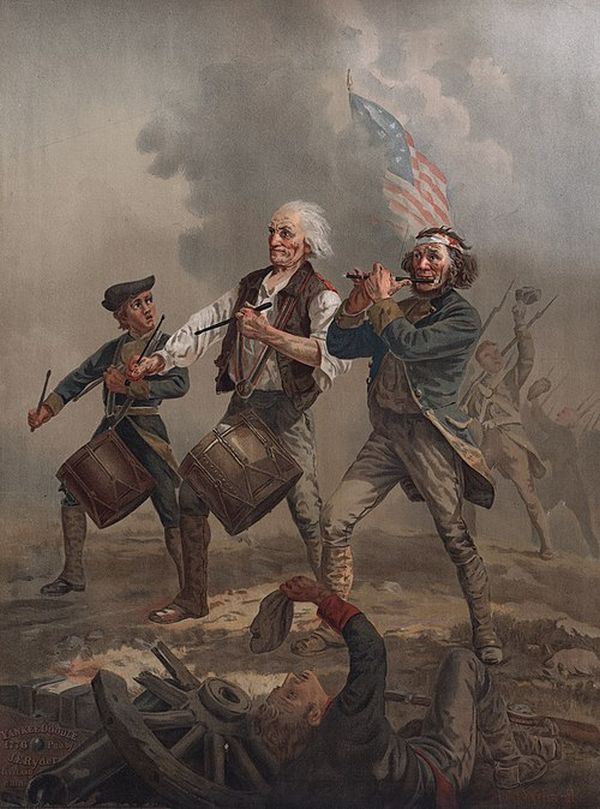
Spirit of ‘76 by Archibald Willard (1875)
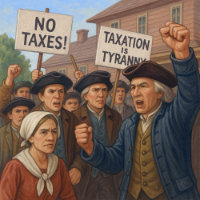
In the years leading to the Revolution, colonists, especially those who called themselves Patriots, believed their liberty and way of life were being threatened. They did not all agree on what should happen next, but their beliefs about government, rights, and authority were becoming stronger. These ideas were not random or new. They had been forming and spreading across the colonies over time.
Think about where people get their ideas about rights and freedom. Then, use the poll to show where you think they are most likely to get those ideas.
This introductory activity is designed to spark reflection on the origins of beliefs about rights and freedom. After students complete the poll, review the results as a class to identify patterns. Use this as an opportunity to make connections between students’ responses and the broader concept of how ideas spread and take hold in society. Prompt students to explain their choices. For example, ask:
Encourage discussion without naming specific historical influences yet. The goal is to build awareness that many factors shape people’s beliefs over time.
In this experience, you will explore how certain beliefs about liberty, rights, and authority took shape in Colonial America. You will investigate how the ideas were spread and why they mattered so much on the road to independence.
Objectives: